
The Black and White House: Singapore Heritage Architecture

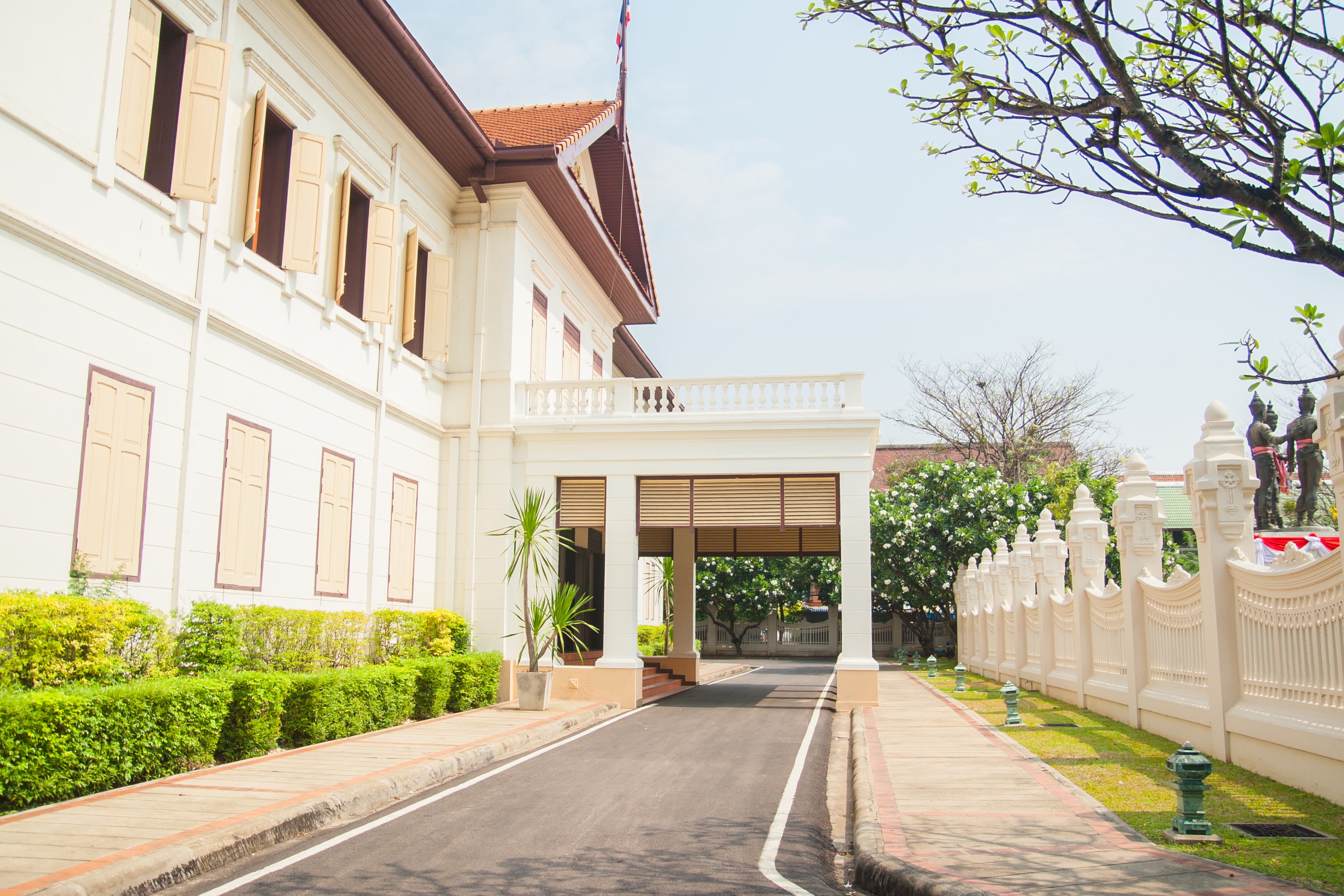
Amidst Singapore’s modern cityscape lies a striking architectural contrast: elegant, timeless, and steeped in history. The black-and-white house in Singapore is not just a residential structure but a legacy of colonial charm and tropical pragmatism.
With dark timber beams, whitewashed walls, and sprawling verandahs, these black and white houses evoke the grace of a bygone era. As reminders of Singapore’s colonial past, they have evolved into coveted homes, heritage landmarks, and cultural icons.
When Did the Black and White House First Make an Appearance
During British colonial rule, black-and-white bungalows first emerged in the early 20th century, around 1903. These homes were designed as tropical adaptations of European housing styles, mainly the Tudor Revival and Arts & Crafts movements.
The most famous early example is the Patchitt House on Cluny Road. It is attributed to Regent Alfred John Bidwell of Swan & Maclaren, an architectural firm responsible for many early iconic buildings in Singapore.
Bidwell’s work began a distinctive architectural style that blended British aesthetics with Southeast Asian environmental needs. The result was a unique colonial bungalow style that quickly became popular across the island.
These homes were mostly built between the 1910s and 1930s and are widely associated with pre-World War II Singapore. The combination of British design elements and Indigenous Malayan building practices reflects a profound cross-pollination of architectural thinking, producing grand homes well-suited for tropical living.
What Are the Hallmarks of Black and White Houses
Black and white houses are easily identifiable thanks to their striking appearance and practical design features. The core elements of these homes include:
-
Whitewashed walls paired with dark timber beams, creating the trademark black and white aesthetic
-
High ceilings and airy rooms that promote natural ventilation
-
Deep overhanging eaves and tiled roofs designed to provide shade and withstand tropical downpours
-
Large, open verandahs for outdoor relaxation and cooling
-
Grand halls, wide corridors, and expansive floor plans
-
Timber louvres, mock Tudor features, and elevated floors to mimic Malay kampong houses
-
Structures are often built on raised foundations to prevent flooding and encourage airflow
These features were not merely decorative but served functional purposes in Singapore’s humid climate. The homes’ emphasis on natural light, airflow, and shade showcases architectural ingenuity for comfort and sustainability.
Who Started Building Black and White Houses in Singapore
The origins of black and white houses in Singapore are closely linked to the British colonial administration, particularly the architects from the Public Works Department and private firms like Swan & Maclaren. Regent Alfred John Bidwell, a British architect, was instrumental in developing the initial concept of these homes, combining Tudor-inspired façades with elements from local architecture.
As mentioned, the first such house was the Patchitt House on Cluny Road, built in 1903. Bidwell’s influence would continue with other significant structures, like the Atbara House, another early example of colonial design, though not strictly in black-and-white style.
Over the years, other architects and engineers under the colonial government contributed to this housing typology. Between 1903 and the 1930s, hundreds of black and white bungalows were built in residential estates such as Adam Park, Mount Pleasant, and Goodwood Hill.
The construction of these homes slowed down during World War II but resumed briefly in the post-war years to accommodate the influx of military personnel and British civil servants.
Who Used To Live in Black and White Houses
During the colonial era, black and white houses were largely reserved for the British elite. These homes were occupied by:
-
High-ranking government officials and senior civil servants
-
British military personnel stationed in Singapore
-
Influential expatriate families
-
Colonial judges, planters, and members of the business elite
Living in one of these homes signified status and privilege. Their spacious layouts, land area, and serene surroundings made them ideal for hosting social events and entertaining important guests.
After World War II, as Singapore transitioned toward independence, many of these properties were reassigned to public agencies and repurposed for commercial purposes, official residences, or continued use by foreign diplomats.
Today, most of Singapore’s remaining black and white houses are state-owned and managed by the Singapore Land Authority. Though no longer exclusive to colonial figures, these homes are still associated with prestige.
Many are now leased to expatriate families, used as embassies, or operated as lifestyle venues in areas like Rochester Park and Dempsey Hill.
Where Can You Find Black and White Houses Today
Though many of Singapore’s black-and-white houses have been lost to urban development, over 500 of these iconic structures still exist. Most are preserved under state ownership and managed by the Singapore Land Authority.
Many are available for rent under the open bidding system, while others have been adapted for commercial purposes, such as restaurants, galleries, and offices.
These colonial homes are distributed across different regions in Singapore, each offering a unique blend of heritage charm and natural surroundings.
North
The northern region of Singapore is home to some of the most historic black and white bungalows, particularly in areas tied to Singapore’s military history.
-
Sembawang Naval Base – Once a major British naval facility, this area still has several black and white houses originally built for military personnel and officers.
-
Seletar Aerospace Park – Previously a British airbase, this area features restored black and white houses now used as cafés, event spaces, and offices.
These properties are set amidst lush greenery and tend to have larger land areas, reflecting their original function as housing for the British forces.
South
The southern parts of Singapore boast some of the most prestigious and well-maintained black and white bungalows.
-
Dempsey Hill – A lifestyle enclave with white bungalows converted into upscale dining, art, and retail venues.
-
Mount Faber – A hilltop area offering panoramic views, home to secluded colonial bungalows now used for hospitality or diplomatic purposes.
-
Adam Park – Historically significant for its role during World War II, it still contains several black and white houses with military heritage.
-
Nepal Hill – Near One-North, these houses are used for commercial and training facilities, retaining their architectural charm.
-
Rochester Park – Known for its mix of colonial charm and modern gastronomy, with such houses repurposed into restaurants and entertainment spots.
These locations represent a perfect blend of heritage and modern utility, ideal for visitors exploring Singapore’s remaining black and white houses.
East
In the East, black and white bungalows are more scattered but remain prominent in former military and residential zones.
-
Changi – Formerly housing for British Royal Air Force personnel, the area retains clusters of black and white houses surrounded by coastal breezes.
-
Some homes are now used for commercial purposes, while others are rented to expatriate families through the Singapore Land Authority.
Eastern bungalows often feature larger compounds and are ideal for those seeking peaceful surroundings and historical architecture near the sea.
West
The Western region of Singapore has preserved several early 20th-century colonial houses, particularly in upmarket residential districts.
-
Goodwood Hill – A prestigious address just off Scotts Road, with a notable concentration of white houses amidst lush foliage.
-
Malcolm Road – Features a few discreet black and white bungalows, often used as official residences or leased privately.
-
Cluny Road – Home to the historic Patchitt House, this area near the Botanic Gardens remains a landmark of homemade heritage.
Many houses are close to schools, parks, and cultural institutions, making them ideal for families and professionals.
Central
You’ll find some of the most historically and architecturally significant black and white houses in the island’s heart.
-
Ridley Park – A serene residential enclave near Tanglin, home to stunning black-and-white bungalows, which are leased primarily to diplomats and international executives.
-
Mount Pleasant – One of the largest estates of colonial homes, still under state care and surrounded by greenery.
-
Cluny Road and Scotts Road – Central yet peaceful, these areas house iconic examples of the black and white architectural style.
-
Atbara House – Located near the Botanic Gardens, this heritage building predates the black-and-white era and marks the origins of colonial residential design in Singapore.
The Central Region encapsulates Singapore’s dual commitment to modernity and heritage, with many of these properties listed under the National Heritage Board and available properties monitored by property managers or the Singapore Land Authority.
What Do You Do if You Want a Black and White House
For many, living in a black-and-white Singapore house is a dream combining historical elegance with tropical serenity. However, acquiring one is not as straightforward as browsing property listings. These properties are highly regulated and maintained primarily under state control.
You Can’t Actually Buy a Black and White House
Unlike conventional properties, black-and-white houses are not typically available for sale. The Singapore government owns most of these colonial homes, which are unavailable for private sale.
While a handful of privately owned black and white bungalows exist, they are rare, exceedingly expensive, and often passed down through generations or sold through discreet transactions.
Given their heritage value and architectural significance, the government has preserved these homes as part of its commitment to homegrown heritage, ensuring that such houses remain part of the island’s historical landscape for generations.
Check Out the Singapore Land Authority
If you want to live in one of Singapore’s remaining black and white houses, your first stop should be the Singapore Land Authority (SLA). The SLA manages over 500 properties and periodically lists them for rent through an open bidding system.
To explore available properties, you can:
-
Visit the Singapore Land Authority’s official website.
-
Look through current listings and download the necessary application form.
-
Participate in the bidding process and offer rent that reflects your valuation of the home.
-
Prepare to comply with government terms, which include a tenancy agreement, stamp duties, and a security deposit.
Successful applicants must also adhere to usage restrictions, particularly if the home is designated for residential or commercial purposes.
Ask Reputable Property Managers
If navigating the SLA’s systems feels daunting, you may enlist the help of experienced managing agents or property managers. These professionals are familiar with SLA regulations and can help you:
-
Identify black and white bungalows available for lease.
-
Understand rental prices, hidden costs, and eligibility requirements.
-
Handle paperwork, including the tenancy agreement, stamp duties, and security deposit.
-
Negotiate maintenance responsibilities and compliance with heritage preservation rules.
Property agents often work with individuals seeking homes in areas like Ridley Park, Mount Pleasant, or Rochester Park and can advise on meeting SLA expectations for residency or commercial purposes.
How Much Would It Cost To Live in a Black and White House
Living in a black-and-white house is a luxurious affair. One that comes with a substantial price tag. Due to their scarcity and prestige, these homes command high rental prices.
According to recent data from SLA and lifestyle publications:
-
The median rent for a black and white bungalow is approximately S$13,000 per month
-
Properties with larger land area or better locations, such as Ridout Road or Goodwood Hill, can fetch between S$30,000 and S$42,800 per month
-
These figures do not include additional costs such as:
-
Security deposit (often equivalent to 3 months’ rent)
-
Stamp duties
-
Maintenance and restoration fees (in some cases)
-
Some black-and-white homes have drawn media attention due to their high rent, particularly when leased by public officials. The Corrupt Practices Investigation Bureau closely monitors these transactions to ensure transparency and fairness in public leasing.
Given the cost, expatriate families, foreign diplomats, or international business executives often occupy these homes seeking a unique Singapore house with historical flair.
Must-See for Visitors to Singapore
Even if you’re not looking to live in one, black and white houses are a fascinating highlight for tourists and architecture enthusiasts. Their beauty, symmetry, and peaceful surroundings glimpse a different era of Singapore’s urban development.
Top sites to visit include:
-
Rochester Park – A blend of heritage and hip, with black and white bungalows converted into restaurants and bars
-
Dempsey Hill – A former military zone, now a lifestyle precinct with colonial charm
-
Adam Park – Of historical significance for its role in World War II and its architecture
-
Botanic Gardens – Near Atbara House, Singapore’s oldest surviving colonial residence, which set the design tone for future black and white houses
-
Mount Pleasant – A tranquil zone that houses some of the finest examples of white houses in Singapore
For a more immersive experience, visitors can participate in guided heritage walks curated by the National Heritage Board, often including stops at landmarks like Cluny Road, Malcolm Road, and Patchitt House.
Located within lush estates, these homes are cultural landmarks and remain powerful reminders of Singapore’s architectural and colonial past.
Conclusion
The black and white house in Singapore represents more than a style of architecture. It encapsulates a chapter of the island’s complex history. These colonial houses, once homes to British officials and military personnel, now serve as living museums, contemporary residences, and treasured pieces of homemade heritage.
Although you can’t purchase them, the Singapore Land Authority offers leasing opportunities through a transparent open bidding system, supported by experienced managing agents. The cost of living in one reflects its rarity and grandeur, with median rent well into five figures.
Whether you’re admiring their architectural style in Dempsey Hill, applying for a lease in Ridley Park, or strolling past Mount Pleasant, these homes offer a unique intersection of history, elegance, and tropical functionality. Their dark timber beams, whitewashed walls, high ceilings, and deep overhanging eaves are a lasting tribute to Singapore’s past and a cherished feature of its modern landscape.
Related guides

About the author
Chloe Lim · Food & Lifestyle Editor
Chloe covers Singapore's dining, beauty, and lifestyle scene — eating and testing her way across the island so her picks are ones she'd send a friend to.