
Your Guide to Coney Island: Opening Hours, Highlights & More

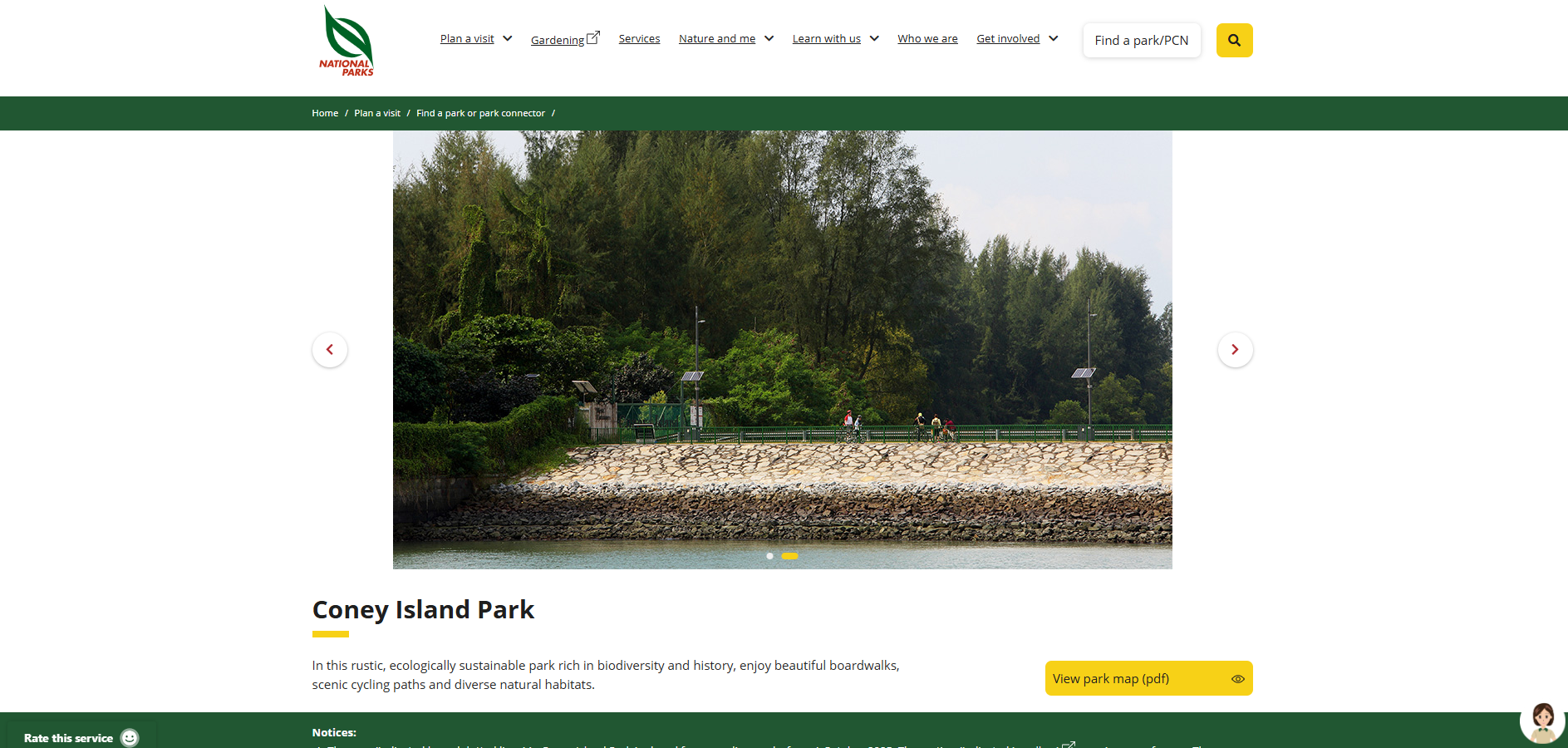
Imagined slipping away from the city without actually leaving Singapore? Coney Island offers wild coastal beauty, forest trails, and the kind of charm that feels worlds apart from everyday life.
So even if you’re here to cycle, explore forgotten histories, or let your thoughts wander along the shoreline, this guide will walk you through everything you need to know before setting foot into this iconic slice of nature.
Coney Island Overview
Coney Island, officially known as Coney Island Park, is one of the most atmospheric nature destinations in Singapore, loved for its rustic trails, quiet coastal corners, and rich biodiversity.
Once known as Pulau Serangoon, the island has undergone decades of transformation, from a privately owned leisure retreat in the 1930s to the ecologically sensitive public park it is today.
What sets it apart from other green spaces in the city is its commitment to remaining an ecologically sustainable park. There is no electricity, no piped water, and only essential infrastructure, allowing its coastal forests, mangrove habitats, grasslands, and casuarina woodlands to remain largely undisturbed.
More than 80 species of birds, small mammals, reptiles, insects, and coastal plant species call this area home, making it a haven for nature lovers and bird watchers.
The park spans about 81 hectares and features a mix of paved and unpaved trails, making it suitable for both strolls and more active cycling adventures.
How To Get There
Reaching Coney Island is relatively simple, though it requires entering through one of two controlled access points. This helps NParks maintain visitor safety and protect its delicate habitats.
-
By MRT:
-
Take the North East Line to Punggol MRT Station.
-
Exit and head to the Punggol Bus Interchange.
-
-
By Bus:
-
From Punggol Bus Interchange, take Bus 84.
-
Alight at Punggol Settlement, where the entrance is just a short walk away.
-
-
By Car or Taxi:
-
Key “Punggol Settlement” or “Coney Island West Entrance” into your GPS.
-
Parking is available at the Punggol Settlement area.
-
-
By Cycling:
-
Follow the Punggol Park Connector Network toward Punggol Promenade Nature Walk.
-
The cycling route leads directly to the West Entrance.
-
What You Need To Prepare
Although Coney Island Park is easy to reach, it is intentionally kept rustic. Proper preparation ensures you have a comfortable and safe visit.
-
Water bottle, snacks, and light refreshments because there are no shops inside the park.
-
Comfortable covered shoes suitable for sandy trails and uneven terrain.
-
A fully charged phone or portable charger, especially if you plan to use maps.
-
Cash or digital payment options if you plan to rent a bicycle nearby.
-
A camera or smartphone for photography.
-
Respect for wildlife: avoid feeding animals and keep to designated paths.
-
Check the weather beforehand; the park can be muddy after rain.
What You Can Do
There are many things to do when you visit Coney Island, thanks to its mix of rustic trails, peaceful coastal corners, and varied ecosystems. Designed as an ecologically sustainable park, it invites visitors to explore nature at a calm, gentle pace.
While there are facilities in the surrounding Punggol area, the charm of the island lies in how untouched it feels.
Biking and Hiking to Your Heart’s Content
Many visitors love travelling to the island by bicycle because the terrain is scenic and easy to follow. Cycling paths leading to Punggol are well-connected, especially for those living in Singapore’s North-East, making it effortless to get from the city’s park connector network to Coney Island in minutes.
Once inside, the trail system lets you glide along the coastal forest and sandy stretches that make the route enjoyable even at a relaxed pace.
If hiking is more your style, the established trails give you a refreshing way to get to Coney Island without rushing. The paths at the waterfront often offer breezy views of Pulau Ubin and nearby shores touched gently by the tide.
The island is mostly natural terrain, so take note of uneven ground, fallen branches, and areas that may get muddy after rain. Nevertheless, the trail network remains manageable for beginners, and the open spaces encourage everyone to wander freely in Coney Island and enjoy the rustic atmosphere.
Take in the Beauties of Nature
The park’s biggest attraction is simply being immersed in the untouched environment of Coney Island. With mangroves, coastal forests, grasslands, and casuarina woodlands, the landscapes hint at what Serangoon Island once looked like before modern development.
As you move through these zones, there are plenty of opportunities for nature photography, especially around the mangrove boardwalk, where the water channels support many ecological habitats.
For travellers who love quiet corners, the five designated beach areas give you sheltered spots where you can also listen to the waves and let the sea breeze carry the scent of saltwater. Sunlight often filters beautifully through the trees, creating moments that feel serene and timeless.
The vegetation has been carefully preserved. Every turn reveals something new: fallen logs, coastal shrubs, and shy critters crossing your path. It’s this sense of discovery that makes exploring Coney Island in any season such a delight.
Go Bird Watching
This island may be compact, but its biodiversity is surprisingly rich. It is one of the best places in the North-East for coney island visitors who enjoy spotting rare or migratory birds. Thanks to the mix of habitats, bird activity changes throughout the day; early morning walks at Coney Island are especially rewarding as flocks glide between the canopy, grasslands, and shorelines.
Many bird watchers come specifically to observe species like the Baya Weaver, Collared Kingfisher, or Oriental Magpie Robin. Natural water sources dot the park, and the wooded portions become frequent resting spots.
If you enjoy wildlife trails, bring binoculars, walk, and stay on designated paths to avoid disturbing the animals. Every sighting feels like a small gift, especially when a rarely seen species appears unexpectedly from nearby branches on the coastal edge.
Go on a Guided Tour
For a more structured experience, joining a guided nature walk is one of the best ways to visit and understand Coney Island Park. NParks occasionally runs interpretive walks that highlight how the park is layered with stories, from its vegetation and terrain changes from the shoreline inward, to the way its ecosystems survive with minimal human intervention.
A trained guide will point out interesting plant species, natural structure formations, and local wildlife that casual visitors might overlook. These tours are highly recommended if you prefer learning through narrative, especially because the island has many historical threads woven through its past.
Early registration is advised due to limited slots, and meeting points typically begin near the west entrance, where the boards display visitor information and maps. Joining one of these sessions also gives you deeper insight into conservation efforts at Punggol, which tie into the larger green corridor surrounding the region.
Find the Old Haw Par Beach Villa
One of the most intriguing remnants on the island is the historic Haw Par Beach Villa, built by the Aw brothers of Tiger Balm fame. Though abandoned and no longer safe to enter, the villa remains a significant part of the history of the island, with crumbling walls and moss-covered pathways hinting at its once-grand presence.
The villa sits far from the main trails, and the surrounding vegetation has reclaimed much of the land. Visitors must respect the fencing and avoid entering due to safety concerns and the fragile state of the structure.
But even from a distance, the scene offers powerful imagery, an old mansion slowly being taken back by nature, standing as a reminder of entertainment ambitions that once shaped Coney Island Park’s atmosphere long before its modern reopening.
Experience the Attractions
While Coney Island is foremost about nature, there are some specific attraction areas and nearby spots worth highlighting:
Beach Areas
The beach area is one of the most peaceful parts of the entire island, giving visitors a quiet stretch of sand to relax, unwind, and take in the natural scenery. While swimming is discouraged due to safety concerns and marine life, you can still explore the shoreline, walk along the water’s edge, and enjoy the breeze from the sea.
Many travellers comment that the five beach areas resemble untouched coastlines in Singapore, making it an uncommon escape. If you prefer photography, the soft lighting by the coast offers a chance to capture scenic views. There are no lifeguards at the beach, so monitoring weather conditions and the tide chart is advised.
Casuarina Exploration Area
Located near the West Entrance, this area features a small, rustic, low-lying playground built for young children using recycled timber from the Casuarina trees found on the island.
This area offers simple, hands-on fun where toddlers and younger children can test their balance and agility on natural wooden steps and logs. It blends seamlessly into the surrounding woodlands, offering a back-to-nature atmosphere. This area is unsupervised, so guardians should keep a close eye on young visitors.
Punggol Waterway Park
Just beyond the west entrance of the nature reserve lies the vibrant and family-friendly Punggol Waterway Park, which you can reach easily from the main track or via the scenic Punggol Promenade Nature Walk.
This modern recreational zone contrasts beautifully with the rugged environment of Coney Island Park, offering smooth cycling paths, playgrounds, exercise corners, and viewing decks.
Many visitors choose to pair their trip to Coney Island with a leisurely afternoon at Punggol Waterway, as the park is directly connected to the extensive northeast cycling route.
Families often pause for refreshments at the nearby eateries or walk to Punggol Settlement, which sits a short distance away and offers dining options overlooking the waterfront. With the combination of wild landscapes on the island and urban comforts nearby, the experience provides an appealing balance for a full-day excursion.
Other Facilities
Visitors will find that at the nature reserve, amenities are intentionally minimal to preserve the purpose and biodiversity of the ecologically sustainable park. Within Coney Island Park, there are basic washrooms at the main entrances and rest points scattered along the trails.
-
The park does not have cafés or vending machines. You must bring your own water and snacks.
-
For a meal after exploring, you can easily walk to the nearby Punggol Settlement, which features seafood restaurants, bistros, and casual eateries. Refreshments are also available at convenience stores around Punggol Point Park.
-
Bicycle rental shops are available at the Punggol Settlement area, outside the park entrance.
Visitors should be aware that pets, including dogs, are strictly not permitted within Coney Island Park. This regulation is in place to protect the island’s sensitive habitats, small mammals, and migratory bird zones.
Leashed pets are welcome in the adjacent Punggol Waterway Park and other surrounding open areas, but they must not be brought through the gates onto Coney Island itself.
Note on OBS Facilities: While there are major high-element training facilities on the island, these belong to the Outward Bound Singapore (OBS) campus and are not accessible to the general public visiting Coney Island Park.
Conclusion
As you get to Coney Island, remember that the park is designed with conservation at its heart. Respecting the habitats, staying on the designated route, and maintaining responsible behaviour ensure that every visitor can continue to appreciate the magic at Coney Island.
Now, pack your essentials, plan your visit, and discover why this remarkable island is one of the most iconic nature destinations in the North-East region of Singapore, a place where natural beauty, history, and outdoor exploration come together!
Related guides

About the author
Chloe Lim · Food & Lifestyle Editor
Chloe covers Singapore's dining, beauty, and lifestyle scene — eating and testing her way across the island so her picks are ones she'd send a friend to.