
Haw Par Villa: Everything You Need To Know

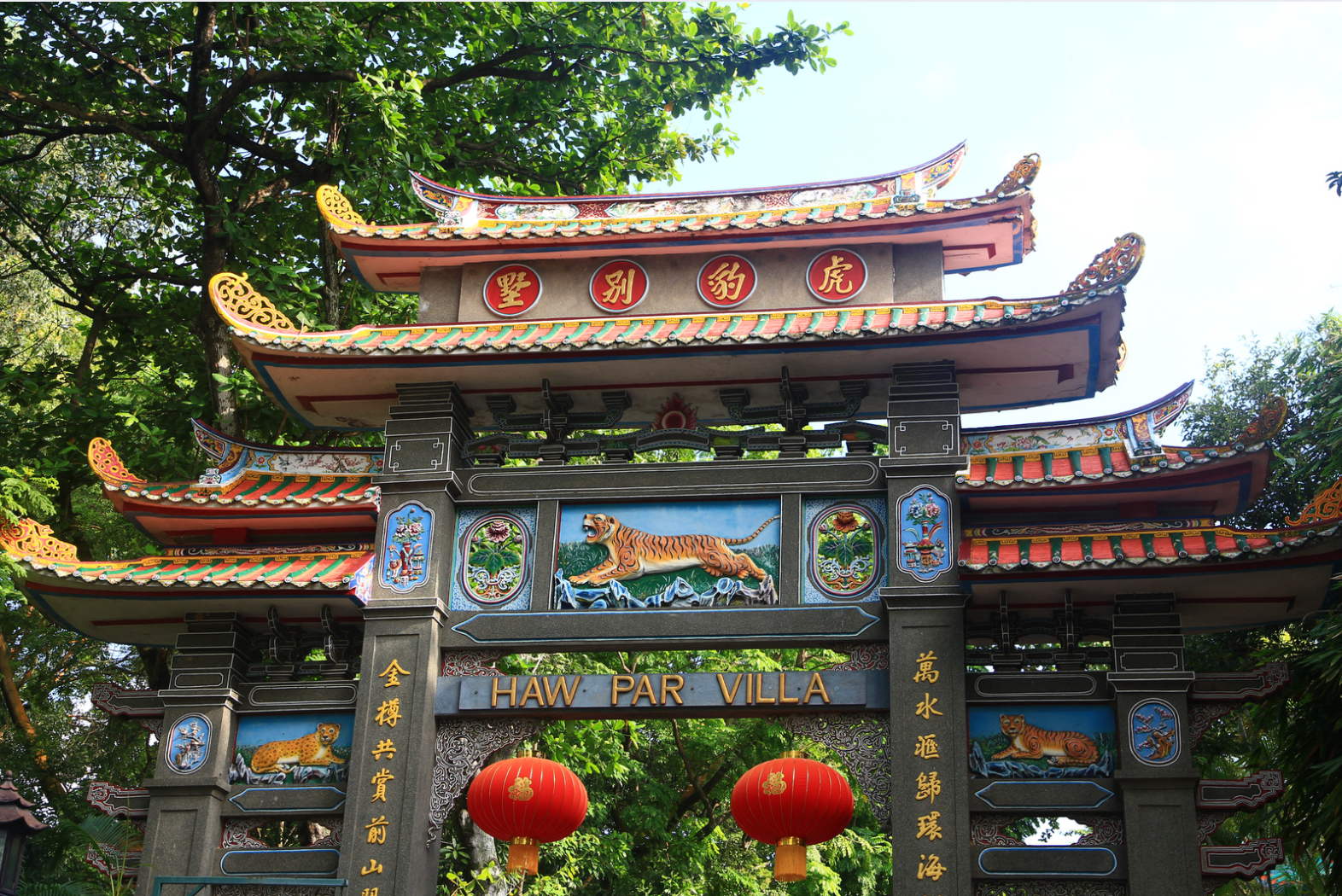
Haw Par Villa is one of Singapore’s most fascinating cultural destinations, offering a unique glimpse into Chinese traditions, mythology, and moral teachings. Also known as the ‘Tiger Balm Gardens’, this iconic theme park blends art, history, and storytelling into a captivating experience. If you’re down for some oriental-style cultural theme park exploration, and ready for vivid and often surreal depictions of Chinese folklore and Confucian principles, you will want to know these fascinating facts about Haw Par Villa Singapore.
What You Should Know About Haw Par Villa
Haw Par Villa, located at 262 Pasir Panjang, is a cultural park steeped in history and legend. Built in 1937 by the Aw brothers—Aw Boon Haw and Aw Boon Par—the villa was initially a private estate. Later, it evolved into a public park, showcasing sculptures and dioramas depicting Chinese mythology, folklore, and moral teachings.
The Singapore Tourism Board now manages the park, ensuring it remains a standout feature of Singapore’s diverse cultural landscape. With over 1,000 sculptures and dioramas, it’s one of the most unique attractions in the world. Whether you’re a history buff or simply curious about Chinese traditions, Haw Par Villa promises a unique tourism experience.
What’s the Story Behind Haw Par Villa?
What makes Haw Par Villa even more intriguing is its origin story. The Aw brothers behind the famous Tiger Balm ointment originally designed the villa to educate people about Chinese values through visual storytelling, making it both a cultural landmark and a quirky tourist attraction.
In 2014, the Aw brothers commissioned Singaporean artists Chun Kai Qun, Chun Kai Feng, and Elizabeth Gan to bring their stories to life. These artists co-founded Latent Spaces, a curatorial platform that revitalized unused areas within Haw Par Villa. They organized four exhibitions, starting with “Nameless Forms”, which featured works responding to the park’s defunct exhibition halls and idle pavilions. Their initiative transformed these spaces into venues for contemporary art, bridging the park’s rich heritage with modern artistic expressions.
The park’s “Ten Courts of Hell” is one of its most iconic features. This attraction graphically illustrates the various punishments souls face in the afterlife, according to Chinese beliefs. Each “court” corresponds to a specific sin, and the punishments range from tongue removal for lying to dismemberment for cheating or corruption. It’s both macabre and educational, aimed at teaching moral lessons to visitors.
During World War II, the villa suffered damage but was later restored, ensuring its legacy endured. Today, the park reflects not only the Aw brothers’ vision but also Singapore’s commitment to preserving its cultural history.
The park is free to enter and offers a glimpse into art, history, and tales of morality—definitely a must-visit for those who enjoy the offbeat and thought-provoking side of Singapore!
When You Should Go
The best time to visit Haw Par Villa depends on your preferences and weather considerations, as Singapore’s tropical climate can be hot and humid. The park is open daily, but visiting in the early morning is best to avoid the midday heat. Be mindful of the last entry times, as the park requires time to explore fully.
If you prefer to go in the morning or late afternoon, arrive early, around 9 AM. This way, you can enjoy cooler temperatures and fewer crowds. Visiting after 4 PM offers a more pleasant temperature, and the lighting during sunset enhances the surreal look of the sculptures.
Additionally, going on a weekday is best for a quieter experience, as weekends can draw more visitors, including locals and tourists. If you do go on weekends, it’s ideal to join guided tours through Journeys Pte Ltd, the official tour operator, for a livelier and more immersive experience. Tours often delve deeper into the symbolism and historical context behind the displays.
It’s also convenient to consider the weather; visit during the dry season (February to April) for less chance of rain. Carry an umbrella or raincoat regardless, as Singapore weather is unpredictable.
Occasionally, special events or night tours are held, adding a unique, eerie charm to the park. Check the official website here or event listings for such opportunities.
Bonus Tip: Take your time exploring the Ten Courts of Hell and other fascinating areas while staying hydrated. Haw Par Villa is best enjoyed at a leisurely pace to absorb its cultural and artistic intricacies.
Travelling to Haw Par Villa
Getting to the Haw Par Villa is straightforward as it’s conveniently located and accessible by public transport, car, or taxi. Here’s how:
By MRT (Train)
The nearest MRT station is Haw Par Villa Station on the Circle Line, just steps from the park entrance.
The easiest and most popular way to get there:
- Take the Circle Line (CCL) to Haw Par Villa MRT Station (CC25).
- Exit at Exit A, and the park is just a 1-minute walk away.
By Bus
Several buses stop near Haw Par Villa. Take any of the following buses to the Pasir Panjang Road bus interchange: 10, 30, 30E, 51, 143, 188, or 200. The park is a one-minute walk from the bus stop, along Pasir Panjang Road.
By Car
If you prefer to drive, limited parking is available, so plan accordingly. Use navigation apps like Google Maps or Waze and set your destination to Haw Par Villa, 262 Pasir Panjang Road.
Alternatively, you can combine your visit with a trip to nearby attractions like Henderson Waves or the Southern Ridges.
By Ride-Hailing Apps
Use services like Grab or Gojek. Simply enter “Haw Par Villa” as your destination for a direct drop-off at the entrance.
Tips: The park is free to enter and is open daily from 9 AM to 6 PM. Comfortable footwear is recommended, as there’s a lot to explore on foot.
What You Can’t Do at Haw Par Villa
When visiting Haw Par Villa, there are some rules and etiquette to ensure a respectful and enjoyable experience for everyone. Here are things you should not do at the park:
- You generally cannot touch or climb on the statues. They are meant to be viewed and not interacted with physically due to their often graphic and detailed depictions.
- While Haw Par Villa is family-friendly, the Hell’s Museum and Ten Courts of Hell may not be suitable for small kids due to their graphic depictions of Chinese concepts of punishment and morality.
- Visitors are advised not to bring food or drinks into the museum areas, and comfortable walking shoes are a must for navigating the hilly terrain.
- Some areas might have restrictions on photography depending on the event or purpose.
- Some sections like the “Ten Courts of Hell” might not allow pets.
- Always follow the posted guidelines and regulations regarding photography, group sizes, and designated areas.
- Dispose of your trash properly in designated bins to keep the park clean
- Smoking is not allowed in the park.
- Avoid loud or disruptive behaviour, as Haw Par Villa is a cultural space that teaches moral lessons through its exhibits.
- Any form of vandalism, such as drawing on or damaging the sculptures, is strictly prohibited and punishable under Singaporean law.
- If you’re on a guided tour, follow the guide’s instructions and respect the schedule.
Adhering to these guidelines helps preserve the unique cultural and historical value of Haw Par Villa for future visitors.
What Are the Attractions at Haw Par Villa?
Haw Par Villa offers a wealth of attractions, each highlighting a different aspect of Chinese culture and Singapore’s cultural history. We’ve curated some popular ones below.
1. Culture Courtyard
The Culture Courtyard is the heart of the park, showcasing traditional Chinese performances, such as puppet shows and festivals celebrating various religions. It’s an open space for music, arts, and relaxation, reflecting the park’s mission to unite visitors through shared stories and traditions. The courtyard is surrounded by colourful pavilions inspired by Chinese architecture, and you might spot squirrels playing in the trees. These details make the space easy to transform for any occasion.
2. Haw Par Villa Visitor Centre
Open daily, the Visitor Centre provides a brief introduction to the park’s history and significance, and provides information and details about the park’s unique exhibits. It’s also a great place to cool down in air-conditioned comfort before starting your journey.
3. Hell’s Museum and the Ten Courts of Hell
The Hell’s Museum, stretching over 3,800 sqm, offers an in-depth look at Haw Par Villa’s infamous Ten Courts of Hell. The Ten Courts of Hell depict the afterlife’s consequences for earthly actions, making it a fascinating—albeit chilling—stop for history buffs and curious visitors. This is perhaps the most famous and unsettling part of the park. It features graphic and gruesome depictions of the punishments awaiting the wicked in the afterlife, according to Chinese beliefs. While some may find it disturbing, the Ten Courts of Hell serves as a stark reminder of the importance of good deeds and moral conduct in Chinese culture.
4. Hop! Par Villa Trail
The “Hop! Par Villa Trail” refers to a self-guided tour through Haw Par Villa. In the tour, visitors can “hop” from one interesting statue to another, exploring the various stories and meanings behind each artwork while learning about Chinese culture through a visually engaging experience. This family-friendly trail combines art and storytelling, engaging visitors with tales of the Eight Immortals and other mythological figures. Kids and adults alike will enjoy the whimsical sculptures and interactive elements.
5. Jade House
If you want to learn more about the park, pay a visit to the Jade House. This section is a nod to Chinese craftsmanship, featuring intricate displays of jade artefacts that highlight their cultural and historical significance.
6. The Sixth Milestone
The Sixth Milestone brings a transport-themed vibe to the café scene, serving up comforting local kopi and teh, a variety of beers, and tasty snacks perfect for a casual stopover. It is located at Haw Par Villa’s F&B oasis. The cafe is open Wednesdays through Fridays from 10:00 AM to 5:30 PM and Saturdays, Sundays, and public holidays from 11:00 AM to 6:30 PM. It is closed on Mondays (except public holidays). You can download the menu here.
7. Zodiac Hunt Trail
The Zodiac Hunt Trail is a DIY trail at Haw Par Villa Singapore that tells the story of a race between the 12 animals of the Chinese zodiac:
- The race: The animals had to cross a river to reach the finish line on the shore.
- The Goat, Monkey, and Rooster: These animals built a raft to cross the river safely. The Rooster ate any insects that infested the wood.
- The finish: The Rooster came in 10th place.
Conclusion
Some say the park is a unique look at Chinese culture and is worth a visit if you’re in Singapore for a few days. However, others say it’s not a must-see and that it can be difficult for people with disabilities. Nonetheless, it offers a unique experience that seamlessly blends art, history, culture, and philosophy. From the Hell’s Museum to the Zodiac Hunt Trail, it provides an in-depth look at Chinese traditions and the Chinese diaspora in Singapore. Whether you’re planning your next trip or looking to explore Singapore’s popular destinations, Haw Par Villa deserves a spot on your list.
For visitors keen to understand Singapore’s cultural history or uncover the stories behind Tiger Balm, Haw Par Villa offers an unparalleled journey into the past and present. So, grab your comfortable walking shoes and embark on an adventure that’s equal parts educational and entertaining.
Related guides

About the author
Chloe Lim · Food & Lifestyle Editor
Chloe covers Singapore's dining, beauty, and lifestyle scene — eating and testing her way across the island so her picks are ones she'd send a friend to.