
How To Get the Most out of Your Fave Laundromat in Singapore

When you’re using a self-service laundry or coin laundry in Singapore, knowing how to make the most of the premises, machines, dryers and services can turn laundry day into a smoother, more efficient chore. Whether you’re visiting a UK launderette-style centre overseas or your local laundry room here, these practical steps help you get better value, reduce waiting, and enjoy your wash and dry hour.
Before You Go to the Laundromat
Planning ahead is key. Most laundromats in Singapore, whether at Parc Komo or other locations, provide both self-service and dry cleaning services, plus options like delivery or pickup. Familiarise yourself with how they operate, pay, and what costs apply per cycle.
Arrive prepared. Bring coins or check if they accept PayNow, cards or app payment. Many modern centres accept multiple methods. Pack your detergent and fabric softener, or buy from vending machines if available.
Know your chore schedule. Some laundrette sites run dry laundry only on certain days or have ironing services and folding help for an extra fee. Good Husband Laundromats & Drycleaners at Parc Komo offer ironing, wash and fold, helmet or stroller sterilisation, plus drycleaners pickup services.
Additionally, check whether the laundromat has special machines for larger items like duvets, rugs or curtains. Not all washers are built for bulky household fabrics, so it helps to call ahead or visit the laundrette’s website to confirm. Some self-service laundry centres clearly label their machines by size or load type, which saves time and prevents machine overloading. If in doubt, staff or signage usually provides guidance on what items can be safely washed or dried.
Finally, think about timing. Try to avoid peak hours, such as weekends or weekday evenings, when customers tend to crowd the machines. Visiting earlier in the day or during quieter midweek periods means shorter waiting times, faster turnaround, and a more relaxed atmosphere. If the laundromat operates 24 hours a day, consider making use of late-night slots for maximum convenience and minimal queuing.
Sorting Tips
Before you head to your favourite self-service laundry, sort garments by colour, fabric type, and soil level. Separate whites, darks, delicates, and heavy items like curtains or towels. This helps prevent dye transfer and ensures each washer cycle uses the right program. Also, weigh your load roughly. Overloading a washer reduces cleaning quality and strains the machine. For coin laundry in Singapore, most washers display clear load limits.
Be mindful of items with zips, hooks, or buttons that may catch or damage other fabrics. It’s a good habit to fasten zippers and turn delicate items inside out. For added protection, place small or sensitive items in mesh laundry bags. This reduces wear and tear, especially for lingerie, baby clothes, or anything with embroidery or lace. Segregation at this level ensures garments not only stay clean but last longer.
If you’re washing items that have come into contact with pets, like blankets or cushion covers, keep them separate from regular laundry. Pet hair can transfer easily and may clog washer filters. Some laundromats have designated pet-item machines or recommend running an empty rinse cycle afterwards. Alerting staff or checking signage on pet washing policies helps maintain machine hygiene for all customers.
Soap and Fabric Softener
Many laundromats allow you to bring your own detergent and fabric softener; this gives you control over scent, ingredients and cost. Powder or liquid detergent both work fine; powder is often most economical for everyday washing. If you’re sensitive to harsh chemicals, choose a mild or fragrance‑free option.
Use the correct portion. Too much detergent can leave residue; too little gives a poor wash. If the centre provides vending for capsules or pods, check the cost and compare it against bringing your own. Some cool laundrettes even offer branded capsules from claw‑machine‑style dispensers.
Fabric softener is optional, but can reduce static, ease ironing afterwards and give clothes a fresher feel. If your laundromat provides it, be aware that you may pay extra. Delivering your own is often cheaper.
Inspecting the Washer and Dryer
When you arrive at the laundry room, inspect the machines before paying. It’s worth spending a few seconds checking washers and dryers to avoid issues mid‑cycle.
Look inside washers for leftover lint, stains or odours. A clean interior means better wash results. If it smells musty or drier lint is caked inside, it’s best to pick a different machine. Clean washers are more reliable and reduce the risk of transfer.
Check dryer drums too. If the last load left debris or pet hair, clean it before starting your dry laundry cycle. Residue from curtains or mop items may cling; remove visible lint. A clean dryer helps tumble dry evenly and shorten tumble time.
Verify that the machines operate properly. Insert coins or tokens, press start, and observe water filling for washers. For dryers, confirm heat engages. If something feels wrong, head to the counter or find staff. Avoid wasting coins on a faulty washer or dryer.
Know the cost per hour or per cycle. Many laundromats price washers by kilogram or load, dryers by time blocks. Standard machines in most laundromats cost around $3–5 per washer load and $1 per 5–10 minutes of dryer use. Select the right duration to avoid overpaying.
Plan your waiting time. Some centres now offer seating zones, bar‑style counters, vending drinks, even coffee (e.g. at The Laundry Connection or The Daily Tumble) where customers can relax while machines run. Ideal workflow: sort first, then unload finished dryer, fold on provided tables, and use the centre’s folding tables or benches. Remember to take your coins, tokens or card receipt with you.
Don’t Have a Fave Laundromat Yet? Here’s How to Pick
Choosing the right self-service laundry or laundrette in Singapore can really change your laundry day experience. Whether you need basic washing machines, tumble dryers, or full dry cleaning services, comparing a few important features will help you find the right fit. Most laundromats offer different levels of convenience, comfort and cost. Think beyond location: look at how they operate, how clean they are, and how well they serve their customers. A little research now can save you hours of hassle later.
When are They Open
Many modern laundromats in Singapore operate 24 hours a day, allowing flexibility to fit your busy schedule. If you’re doing laundry after work or at odd hours, this is a key feature to check. Laundromats near residential areas or popular hubs like Parc Komo tend to keep longer hours. Some even list their opening times on Google, so do a quick search before heading out. Choosing a place that stays open all day and night makes laundry day far less stressful.
How Do You Pay
Payment methods vary, so it’s important to know how a laundromat handles transactions before your visit. While traditional coin laundry setups still exist, many newer centres accept digital payments via app, QR code, or cashless card terminals. Having multiple options makes it easier for customers who may not have spare coins. Some self-service laundry chains also provide prepaid loyalty cards or tokens, adding convenience and occasional discounts. Always check signs near the machines or ask at the counter.
How Easy is it to Use
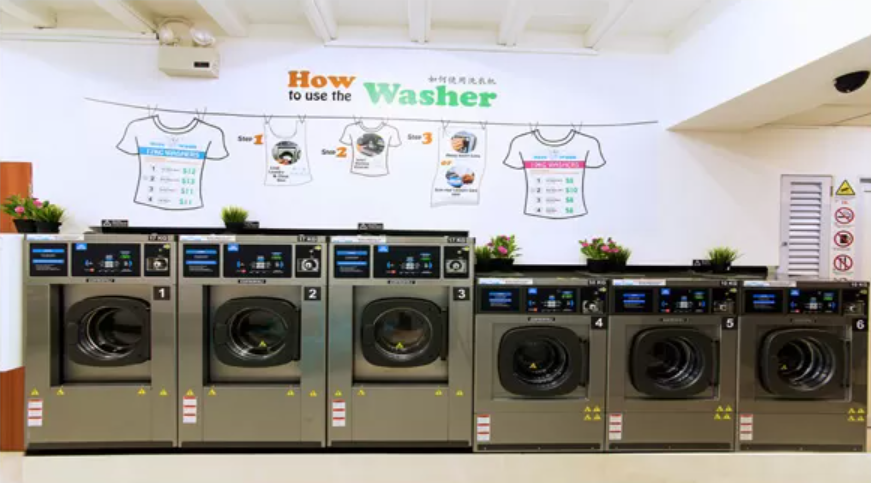
The best laundromats are clearly labelled and provide step-by-step guides for new users. From detergent use to washer settings, instructions should be available in multiple languages or simple icons. Well-maintained premises usually mean the machines are in good working condition, reducing confusion or breakdowns. A tidy laundry room with folding stations and clear workflow paths also enhances the customer experience. If you find yourself constantly asking staff for help, it might not be the best fit for long-term use.
Are They Eco-Friendly
Eco-conscious customers should check whether their chosen laundromat uses energy-efficient washing machines or water-saving technology. Some self-service laundry services use low-temperature wash cycles, biodegradable detergent, or offer dry cleaning options with less chemical waste. Additionally, centres that encourage bringing your own detergent help reduce plastic waste from single-use sachets. A few Good Husband Laundromats around Singapore are taking steps to provide more sustainable cleaning practices by upgrading to high-efficiency washing machines and promoting green habits among customers. Choosing an eco-friendly location means doing your laundry with less impact on the planet while still getting an effective clean.
Is It Cool and Cosy
Since you’ll be spending at least an hour on-site, comfort matters. A cool, air-conditioned laundry room with proper seating, tables for folding, and even charging ports can make a big difference. Some laundromats provide free Wi-Fi, drinks or even entertainment screens to make waiting more pleasant. Centres in warmer parts of Singapore without proper ventilation can make laundry day sweaty and unpleasant. Prioritise places that are well-designed for customers and feel welcoming on any day of the week.
Conclusion
Finding the right laundromat in Singapore is about more than just clean clothes: it’s about ease, comfort, and value. With a little preparation and by asking the right questions, your laundry day can be transformed into a smoother, even enjoyable part of your week. Whether you prefer a 24-hour-a-day coin laundry near home or a self-service laundry with eco-friendly features, Singapore offers plenty of excellent options. Take time to inspect the machines, understand payment methods, and evaluate how user-friendly the service is. Once you find your perfect match, your fave laundromat will be more than just a chore stop — it’ll be a reliable part of your routine.
Related guides

About the author
Chloe Lim · Food & Lifestyle Editor
Chloe covers Singapore's dining, beauty, and lifestyle scene — eating and testing her way across the island so her picks are ones she'd send a friend to.