
Singapore vs South Korea: Guide for Tourists and Expats

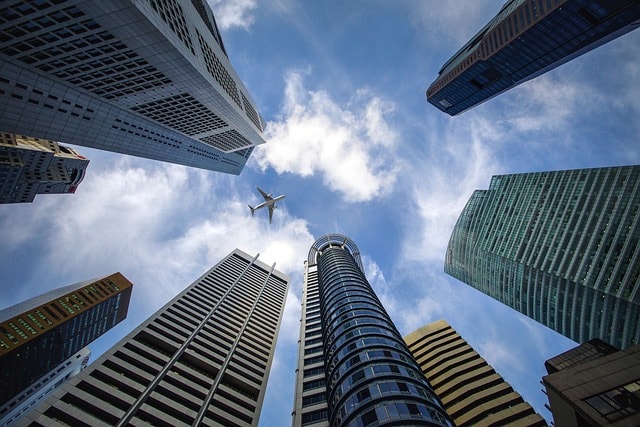
When considering relocating or travelling, choosing between Singapore and South Korea can be a tough decision. Each country boasts unique characteristics, vibrant cultures, and modern amenities, making them ideal for tourists and expats alike. This guide compares these two destinations in terms of geography, climate, lifestyle, infrastructure, and attractions to help you make an informed choice.
Geography and Landscape
Singapore is a small, densely populated city-state located in Southeast Asia. Despite its compact size, it is home to a blend of modern skyscrapers, green parks, and coastal areas. Its location makes it a major hub for international trade and travel, with the Changi Airport frequently voted one of the best in the world.

South Korea, officially the Republic of Korea, offers more geographical diversity. From the bustling metropolis of Seoul to scenic mountains and serene coastal towns, South Korea provides a mix of urban and natural attractions. The country spans a peninsula, offering beautiful beaches on three sides. Unlike Singapore, South Korea has four distinct seasons, which contribute to its geographical charm.
Weather and Climate
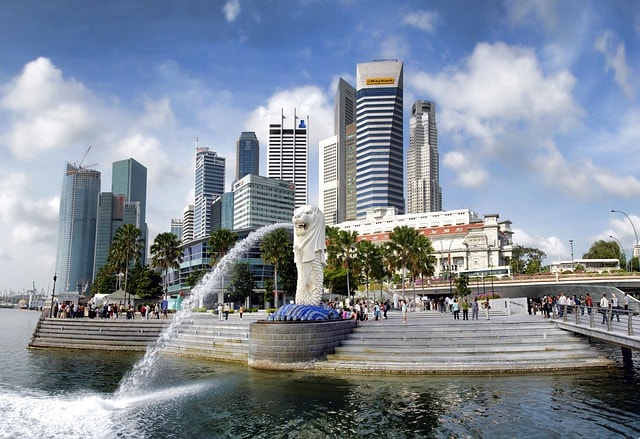
Singapore experiences a tropical rainforest climate, meaning it is warm and humid year-round. Temperatures average between 25°C and 31°C, with frequent rainfall, especially during the monsoon seasons. For those who enjoy consistent weather, Singapore’s climate might feel like home.
South Korea, on the other hand, has a temperate climate with four distinct seasons. Summers are hot and humid, while winters are cold, often dropping below freezing. Spring and autumn are particularly appealing for their pleasant weather and natural beauty, with cherry blossoms in spring and vibrant foliage in autumn.
Infrastructure Development
Both Singapore and South Korea are highly developed countries with advanced infrastructure. Singapore is renowned for its efficient urban planning and modern amenities, including the world-class Marina Bay Sands and the futuristic Gardens by the Bay. It has an exceptional healthcare system, high-rise housing, and a robust data centre network supporting its smart city initiatives.
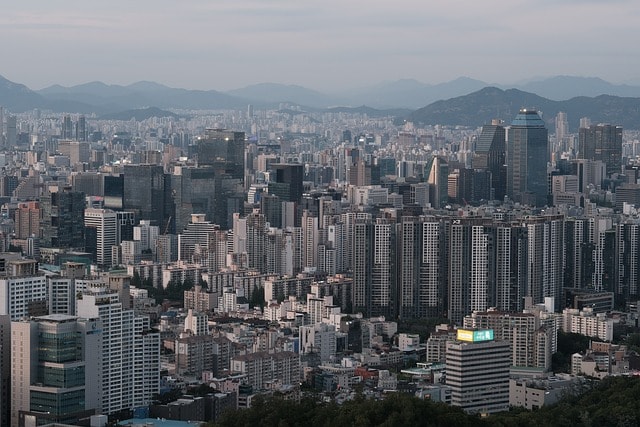
South Korea also excels in infrastructure, with impressive transportation systems and cutting-edge technology. Seoul, the capital, showcases the nation’s rapid development, featuring high-speed trains, advanced digital connectivity, and large-scale developments like the Seoul National Stadium. South Korea is also home to thriving tech companies and the world’s fastest internet speeds.
Transportation and Accessibility
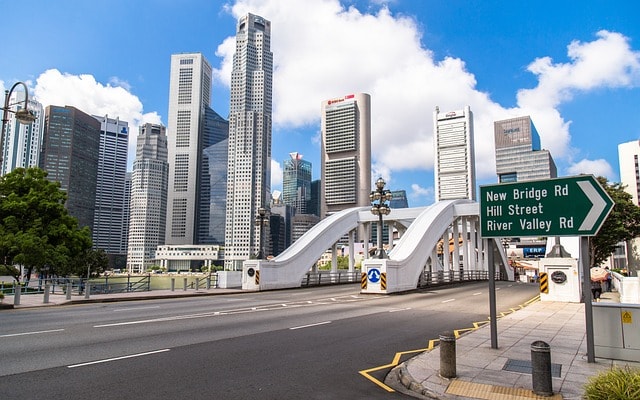
Singapore’s public transport system is one of the best globally, with its Mass Rapid Transit (MRT) network connecting all parts of the city-state. The city’s compact size makes getting around quick and convenient, whether by MRT, bus, or taxi.
South Korea’s transportation network is equally efficient, though it caters to a larger geographical area. The country’s high-speed rail system, KTX, makes travelling between cities like Seoul and Busan quick and comfortable. Within cities, the subway systems are extensive and user-friendly. For expats, navigating South Korea might seem daunting due to the language barrier, but signage in English is widely available.
Cultural Characteristics of the People
Singapore is a melting pot of cultures, with a population comprising Chinese, Malay, Indian, and expatriate communities. The people are generally welcoming, and the society prides itself on harmony and multiculturalism.
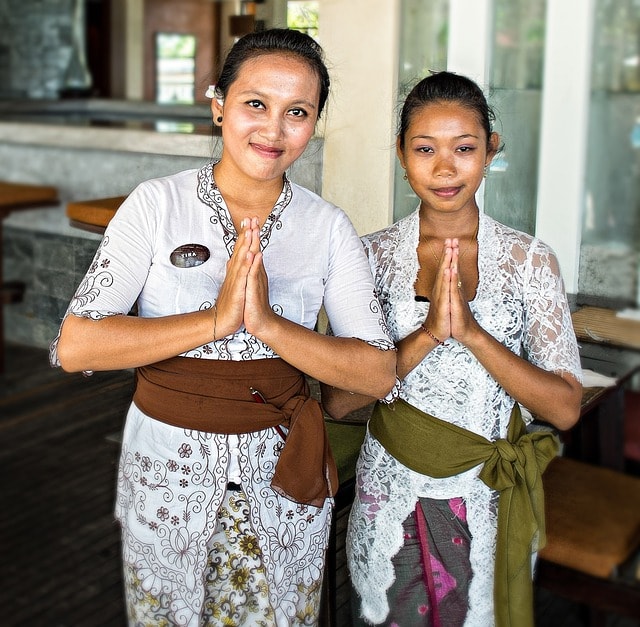
South Koreans are known for their hospitality, often referred to as “jeong”, a sense of warmth and connection. The culture places high importance on respect and community, which can be seen in daily interactions.
Languages Spoken
Singapore has four official languages: English, Mandarin, Malay, and Tamil. English is the lingua franca, making it easy for tourists and expats to communicate.

In South Korea, Korean is the primary language, and proficiency in English varies across the country. In major cities like Seoul, many younger people can speak some English, but in rural areas, it might be less common.
Religious Diversity
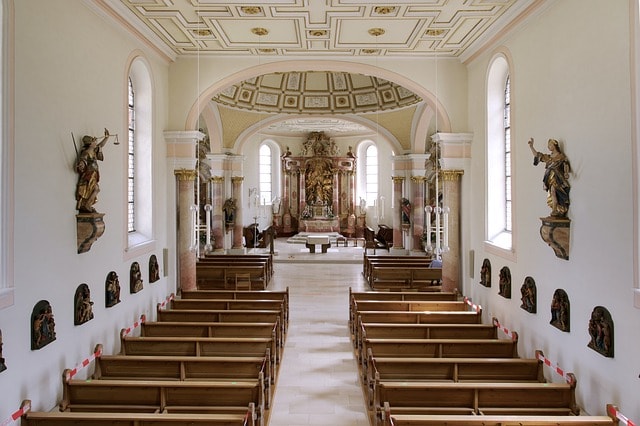
Singapore is religiously diverse, with Buddhism, Christianity, Islam, Hinduism, and Taoism being widely practised. The country’s multiculturalism extends to its religious tolerance, with temples, mosques, and churches often found in close proximity.
South Korea predominantly practises Christianity and Buddhism, though a significant portion of the population identifies as non-religious. The country also celebrates Confucian traditions, which influence its societal values.
Lifestyle and Daily Living
Singapore offers a fast-paced, cosmopolitan lifestyle. The city is home to numerous international businesses, luxurious shopping malls, and fine dining establishments. Expats and locals alike enjoy the city’s vibrant nightlife and extensive food scene, from hawker centres to Michelin-starred restaurants.
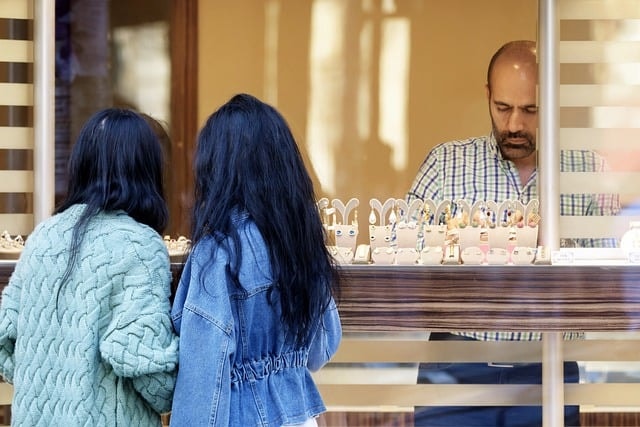
In South Korea, the lifestyle blends traditional and modern elements. Seoul, for example, boasts a 24/7 culture, with countless options for dining, entertainment, and shopping. South Koreans also value group activities, whether enjoying a night at a karaoke box or attending football matches featuring stars like Son Heung Min, Lee Kang In, and Hwang Hee Chan.
Tourist Attractions and Destinations
In Singapore, must-visit attractions include Marina Bay Sands, Sentosa Island, and the Singapore Zoo. Cultural landmarks like Chinatown, Little India, and Kampong Glam provide a glimpse into the city’s heritage.
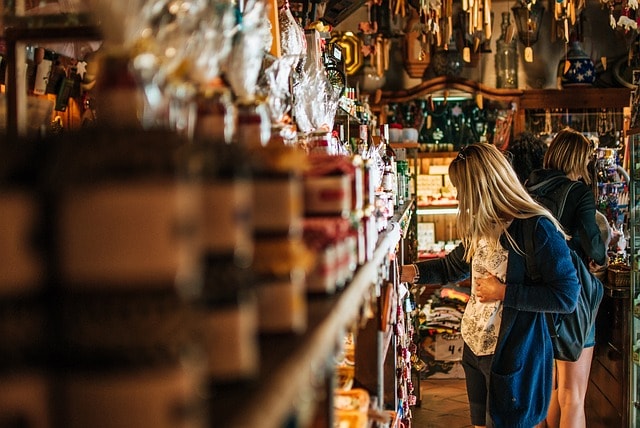
South Korea offers a broader range of tourist experiences. Seoul is home to historical sites like Gyeongbokgung Palace and modern attractions like Lotte World Tower. Nature lovers can explore Jeju Island or hike in Seoraksan National Park.
Shopping Experiences
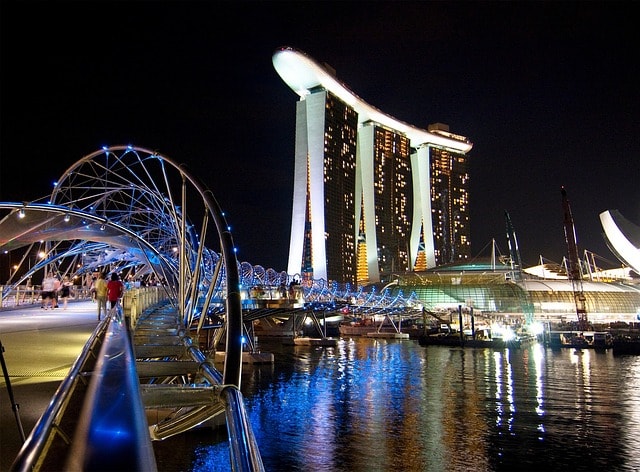
Singapore is a paradise for shoppers, with high-end malls like ION Orchard and Marina Bay Sands. For more affordable finds, Bugis Street and Mustafa Centre are popular destinations.
South Korea is equally enticing for retail enthusiasts. Seoul’s Myeongdong is famous for cosmetics and fashion, while Dongdaemun offers night markets for bargain hunters. Traditional markets like Namdaemun are perfect for unique souvenirs and Korean delicacies.
Entertainment and Leisure Activities
Singapore is a paradise for shoppers, with high-end malls like ION Orchard and Marina Bay Sands offering luxury brands. For more affordable finds, Bugis Street and Mustafa Centre are popular destinations where you can save both time and money while exploring a wide variety of products.

South Korea is equally enticing for retail enthusiasts. Seoul’s Myeongdong is famous for cosmetics and fashion, where many shoppers spend their won on high-quality Korean beauty products.
Internet Connectivity and Access
Singapore and South Korea are leaders in internet connectivity. Singapore offers extensive Wi-Fi coverage and high-speed broadband, supporting its status as a smart city. Its robust data centres ensure seamless connectivity for residents and businesses.
South Korea boasts some of the fastest internet speeds in the world, with widespread availability of free public Wi-Fi. This makes it ideal for tech-savvy tourists and expats who rely on staying connected.
Economic Performance
When comparing Singapore vs South Korea, both economies are strong and globally competitive. Singapore has a highly developed free-market economy driven by finance, trade, and technology. As a major data hub in Asia, it attracts significant foreign investments and is home to many multinational corporations.
South Korea, officially the Korea Republic, is an economic powerhouse in East Asia, known for its technological innovations and global brands like Samsung and Hyundai. Its export-driven economy focuses on electronics, automotive, and shipbuilding industries.
Cost of Living
Cost of living is a key consideration for expats comparing Singapore vs South Korea. Singapore is one of the world’s most expensive cities. Housing, healthcare, and education come at a premium, though public transport and food at hawker centres are relatively affordable.
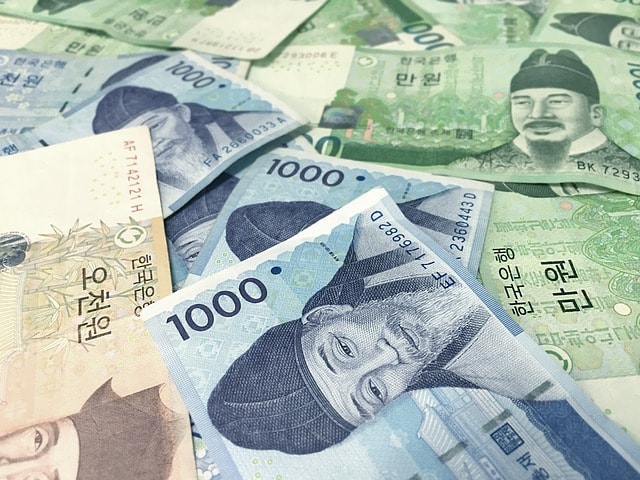
In contrast, South Korea offers a more balanced cost of living. While Seoul can be pricey, especially in terms of rent, other cities like Busan or Daegu are more affordable. Groceries, dining out, and public transport are generally cheaper in South Korea than in Singapore.
Job Market and Opportunities
Singapore is a global business hub offering abundant job opportunities in finance, technology, and logistics. Expats with skills in data analytics, engineering, and banking are in high demand. The country’s emphasis on innovation has also led to a growing startup scene.
In South Korea, industries like technology, education, and manufacturing dominate. Seoul is the centre of the country’s job market, offering opportunities in IT, entertainment, and education, particularly for English teachers. Companies often value team-oriented work culture and long-term commitment.
Housing and Accommodation Options
Housing in Singapore is modern and efficient, with a mix of high-rise apartments, public housing, and luxury condominiums. Renting can be expensive, with monthly costs often exceeding SGD 3,000 for a modest apartment in central areas.
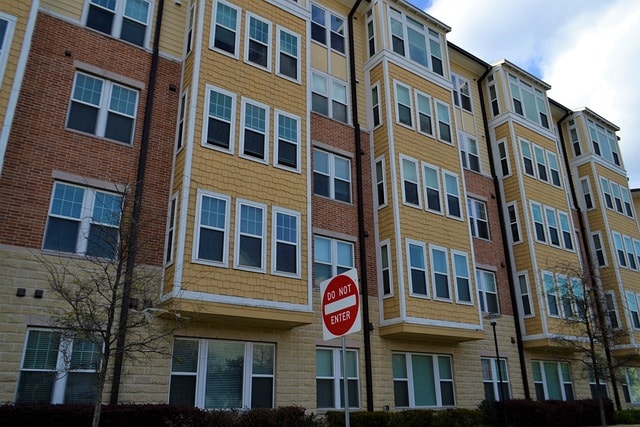
In South Korea, finding accommodation varies by city. Seoul offers everything from officetels (studio apartments) to spacious homes in neighbourhoods like Gangnam. Renting in South Korea involves paying a “jeonse” deposit (a lump sum) or monthly rent.
Quality of Healthcare
Healthcare is excellent in both Singapore and South Korea, with modern facilities and highly trained medical professionals. Singapore has a hybrid healthcare system where costs are subsidised by the government but require out-of-pocket payments or insurance.
South Korea is also renowned for its advanced medical technology and affordability. From general care to cosmetic surgery, South Korean hospitals are some of the best in the world. National health insurance covers a significant portion of medical costs.
Educational Standards and Systems
When comparing Singapore vs South Korea, both nations boast excellent educational systems, but their approaches differ. Singapore’s education focuses on holistic development and is internationally recognised for its rigour.

South Korea places a high emphasis on education, with a strong culture of academic achievement. The country’s students regularly score top marks in international tests. However, the system is highly competitive, with long study hours and a focus on exams.
Safety and Security
Both Singapore and South Korea are incredibly safe for residents and tourists alike. Singapore is often cited as one of the safest countries in the world, with low crime rates and strict laws. The city-state’s surveillance systems and efficient law enforcement ensure public safety.
In South Korea, safety is also a priority. Violent crime rates are low, and urban areas like Seoul are well-lit and monitored. Public transport is safe even late at night, and people generally feel secure walking around cities.
Wrap Up
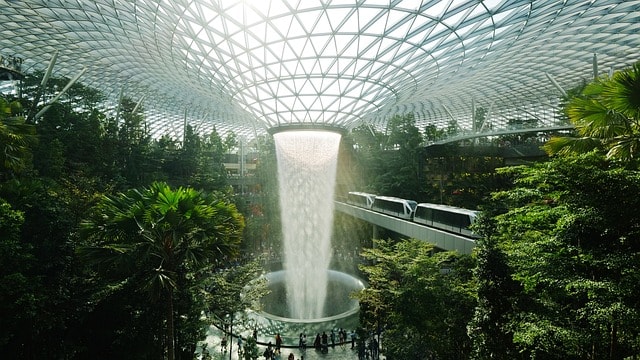
Choosing between Singapore and South Korea ultimately depends on what you value most. Singapore’s modern infrastructure, efficient transport, and tropical weather appeal to those seeking a seamless and cosmopolitan lifestyle. On the other hand, South Korea offers diverse landscapes, rich traditions, and a dynamic cultural scene, blending old and new in unique ways. Whether it’s a relaxing day exploring Singapore’s green spaces or cheering for your favourite team during a football match in Seoul, both countries offer unforgettable experiences.
For expats, job opportunities, housing, and healthcare are strong on both sides, but the costs and pace of life differ. Tourists will find exciting attractions in either destination, from iconic landmarks to vibrant local markets. With an updated understanding of each country’s offerings, you’re now better equipped to decide where to play, work, or settle. Whichever you choose, both destinations promise a goal-worthy experience.
Related guides

About the author
Chloe Lim · Food & Lifestyle Editor
Chloe covers Singapore's dining, beauty, and lifestyle scene — eating and testing her way across the island so her picks are ones she'd send a friend to.